- 'Sala' Height Equipment
- 'Protecta' Height Equipment
- 'First' Height Equipment
- AS/NZS 1891.4:2000 Industrial fall arrest systems and devices - Selection, use and maintenance.
- AS/NZS 1891.1:2007 Industrial fall arrest systems and devices - Harnesses & ancillary equipment.
- AS/NZS 1891.2:2001 Industrial fall arrest systems and devices - Horizontal lifeline and rail systems
- AS/NZS 1891.3:1997 Industrial fall arrest systems and devices - Fall arrest devices.
- AS/NZS 2865 Set:2005 Safe working in a confined space set.
USEFUL REFERENCES
Latest News
-
SafetyQuip wins spot on the BRW Fast Franchises list for the third consecutive year.
...
APPLICATION
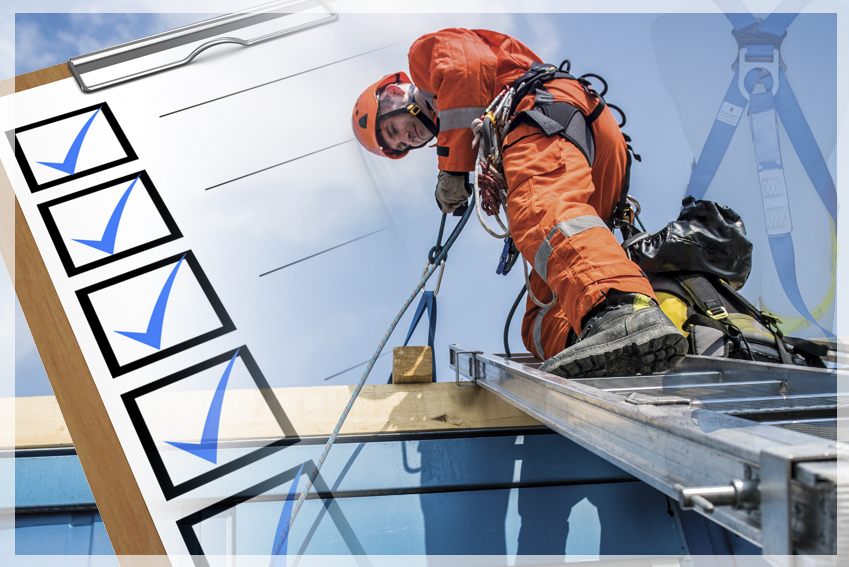
The Australian workforce experiences a fatal fall from height each week. In most states of Australia, any work over 2 metres high (1.8 metres in WA) or at the time that a person leaves the ground (NSW) must be assessed for risk.
RISK ASSESSMENT
Australian Standards contain guidelines for undertaking risk assessment in relation to working at height or confined spaces. The ‘hierarchy of control’ process outlined in the Standard together with local state codes and regulations should be referred to. In the event that exposure to a height safety hazard cannot be avoided, appropriate fall prevention procedures must be taken, selection of specific fall prevention equipment, planned fall arrest including rescue & retrieval all become essential elements of the overall risk assessment and management process.
Ensure that height safety training is provided to every worker exposed to height risk and that all training is recorded.
Ensure that height safety equipment inspection procedures are established and that all inspections are recorded (every 6 months for webbing and 3 months for self retracting lifelines).
Safety Tips
- Consider the workspace below the height work ie. the need for isolation, barriers & signs.
- Consider interaction with other trades & activities.
- Equipment should be inspected by the user before and after each use.
- Maintain equipment in accordance with the manufacturers’ guidelines and AS/NZS1891.4.
- Ensure the correct size harness is worn.
Do Not Work AloneA worker making his own connections can make a mistake and must never make his own D ring connection with the harness already on – a fellow worker should check all connections relating to a harness. RescueAfter a fall, the human body suspended in a harness may enter a state of shock known as suspension intolerance. The rescue plan should be instigated as soon as practicable ensuring that the rescuer is not put at risk. There is no specific time for a rescue as this may vary depending on the complexity of the rescue to be carried out. Suspension intolerance is a pooling of the blood in the lower portion of the body if hanging in a head up vertical position. The use of suspension trauma straps attached to the fall arrest harness will assist alleviating the risk by having the victim moving his legs and feet whilst waiting for the rescue. Connector CompatibilityMixing height safety components from a variety of manufacturers can be a fatal mistake, as components that may appear to be compatible may in practice unlock when placed under fall or slip loads. Hooks are manufactured with double locking systems and offer a reasonable level of security. When selecting systems the user should look to ensure that the hook and “D” are suitable for its use.All workers should be trained in the correct use and maintenance of personal protective equipment.
SafetyQuip offers a full scope safety supply service for height safety equipment including safety harness, falls prevention, safety harnesses, roof anchors, fall arrest and confined space rescue equipment.


.jpg)