

APPLICATION
Many workplace tasks cannot be undertaken safely without some form of hand protection. In general, hand protection must be provided wherever there is residual hand injury risk after other control measures have been put in place.
RISK ASSESSMENT
The need for hand protection should be assessed by conducting an audit of potential workplace hazards.
To ensure that the most appropriate glove is provided for the tasks and the environmental conditions, it is necessary to:
- identify the hazard(s) and the need for hand protection;
- identify the level of manual dexterity required;
- select suitable material to give the protection required;
- select a suitable style and a good fit;
- determine whether re-useable or disposable gloves are appropriate.
Chemical Risks
AS/NZS 2161.10.3:2005 and EN374.1:2016 apply to gloves that protect against chemicals and micro-organisms.
When dealing with glove performance against chemicals it is important to reference supplier glove compatibility charts for suitability and permeation & degradation time frames.
mechanical Risks
AS/NZS 2161.3/EN388 applies to gloves that protect against physical and mechanical hazards. Glove performance is indicated by numbers for Abrasion, Cut – Coup, Tear, Puncture, Cut ISO13997 and Impact EN13594:2015 (New EN388:2016).
Click HERE for a PDF of the Hand Protection Performance Tables.
useful references
AS/NZS 2161 Set: 2008 Occupational Protective Gloves Set.
With SafetyQuip’s range of work gloves, your workforce is in safe hands. Find your closest SafetyQuip store by clicking our Store Locator.
Hand Protection
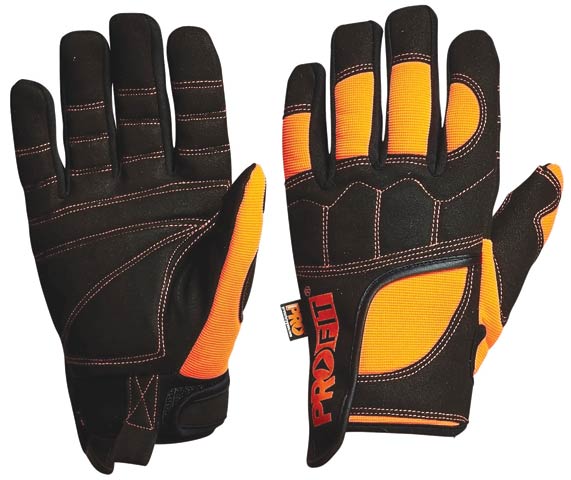
Ergonomic Gloves
SEE PRODUCTS
Electricians Gloves
SEE PRODUCTS
Latex Coated Gloves
SEE PRODUCTS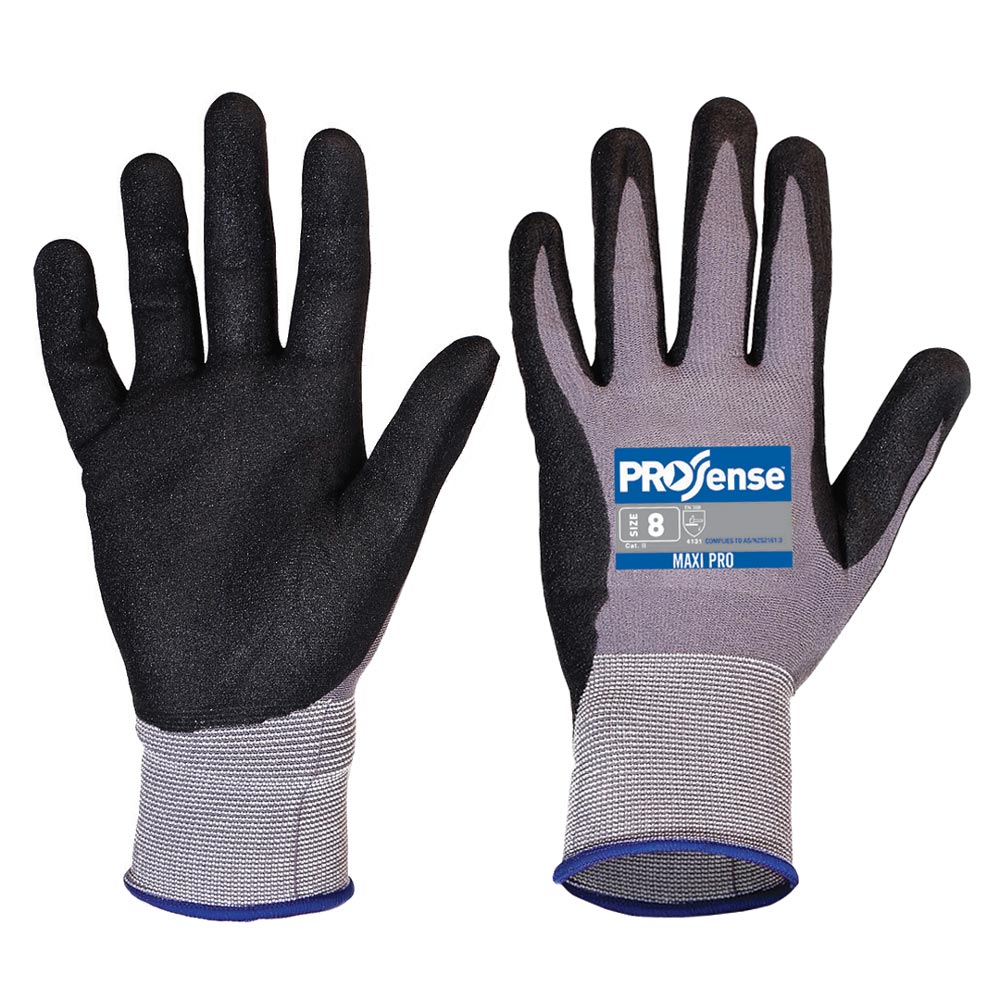
Nitrile Coated Gloves
SEE PRODUCTS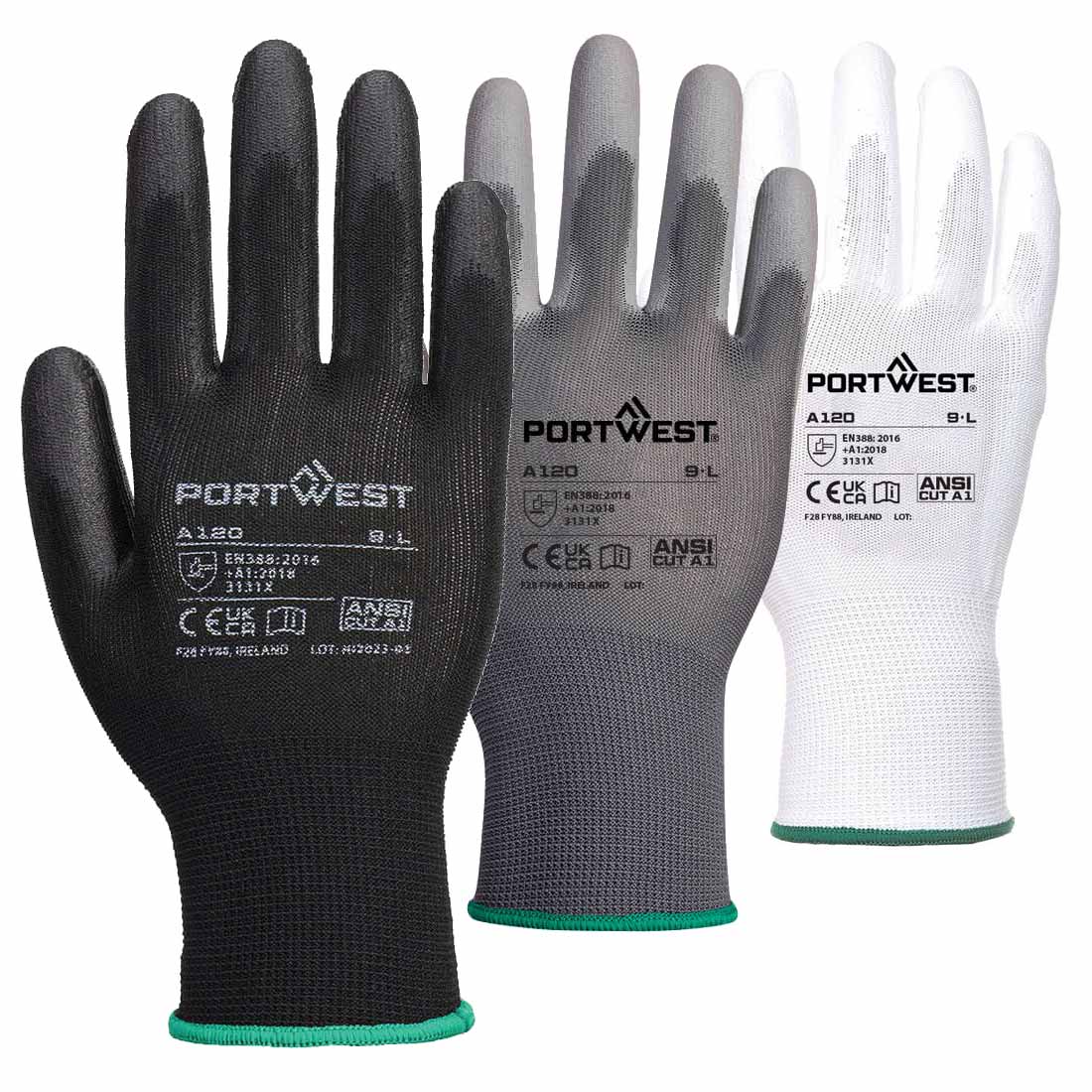
Polyurethane Coated Gloves
SEE PRODUCTS
Welding Gloves
SEE PRODUCTS
Chemical Resistant Gloves
SEE PRODUCTS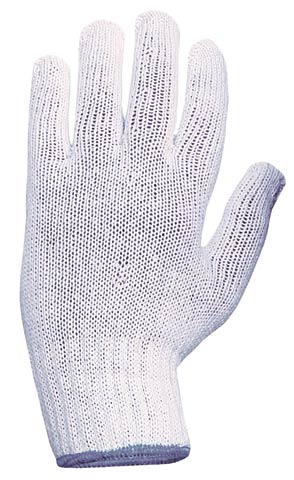
Cotton/Nylon Gloves
SEE PRODUCTS
Cut Resistant Gloves
SEE PRODUCTS
Disposable Gloves
SEE PRODUCTS
Freezer/Cold Gloves
SEE PRODUCTS
Glove Accessories
SEE PRODUCTS
Leather Gloves
SEE PRODUCTS
PVC Gloves
SEE PRODUCTS