Molten metal, arc flash and fire are just some of the hazards faced by workers in metals, electrical, welding, oil & chemical industries.
Elliotts offers a range of protective clothing for ArcSafe Arc Flash Switching.
For electrical maintenance workers and contractors, working hands-on with hazardous and potentially dangerous energy sources, conductors, circuit parts and other energized parts is a common component of their everyday routine. While there is no substitute for maintaining safe working conditions, accidents – especially electric arcs – can happen in an instant, no matter how experienced a worker may be.
Elliotts recommends that FR clothing should be standard for any employee working on or near energised electrical systems. This will ensure that workers clothing offers protection from an arc flash exposure rather than producing an additional hazard. The clothing must offer maximum protection while ensuring the worker is comfortable.
Electrical Arc Flash Safety
Arc flash safety apparel is critically important in keeping electrical workers safe. Arc flash accidents can cause serious injuries. The casualties resulting from these accidents are almost always devastating to the worker involved and to the worker’s family.
What is an Arc Flash?
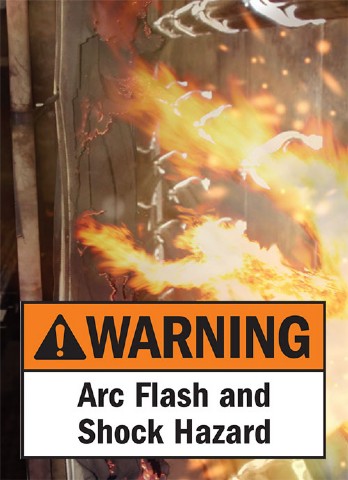
An Arc Flash is an electrical current that is passed through air when insulation or isolation between electrified conductors is no longer sufficient to withstand the applied voltage. A flash incident is rapid and immediate and as a result, each year, significant numbers of workers worldwide are maimed or killed from Arc Flash exposure.
The Need for ArcSafe Apparel
The intense energy and very short duration of an electric arc flash, reaching temperatures of 19,400oC, can both burn the skin directly and cause ignition of clothing made from regular cotton and poly/cotton fabrics. Flame resistant (FR) clothing should be worn wherever there is a possible exposure to an electric arc flash above the threshold incident energy level for a second degree burn, (1.2 cal/cm2).
Why Wear Flame Resistant (FR) Clothing?
People working in any industry wherever there is a possibility of arc flash should wear FR clothing. Essentially, FR clothing saves lives. Importantly, FR clothing does not ignite and continue to burn. Even single-layer FR work clothing can significantly protect employees.
While most people realize that electrical shock is life-threatening, many do not understand that wearing clothing made from regular cotton or poly/cotton that is not FR can result in severe harm or death if it is ignited under an electrical arc flash.
These non FR fabrics can be readily ignited at some exposure level and will continue to burn adding to the extent of injury sustained from the arc alone. Most serious burns from industrial accidents are caused by regular work clothing igniting and burning off the wearer’s back. Thousands of clothing-related injuries due to fire occur each year. The most severe burns are often not caused by the original hazard. They are the result of the wearer’s clothing igniting.
If you’re not sure what the right protective apparel is for your job, contact your local SafetyQuip Safety Specialist.
(information and image by Elliotts)
Safety Gear - Workwear - Footwear - Site Safety
Meeting your safety obligations to your workforce is a serious business. Standards evolve, and it can be tough to keep abreast of them. So it’s great to know you have a partner in SafetyQuip – a business that makes it its business to know your safety issues, and stocks all the safety workwear and PPE you will need to address them.
At SafetyQuip, we stock every kind of safety equipment and PPE, including respiratory protection, HI VIS safety workwear, height safety and skin protection. We stock safety equipment for materials handling, with ladders, platforms and elevated work spaces. And we’ve got you covered for personal protective equipment for the feet, with waterproof and steel capped work boots, plus a range of accessories.
Read More